
Artificial Intelligence
Artificial Intelligence (AI) is an emerging area of legal news, covering laws, regulations, court decisions, and legal disputes arising from the development and use of AI technologies. It explores issues such as liability, data protection, intellectual property, algorithmic accountability, and the regulation of automated decision-making.
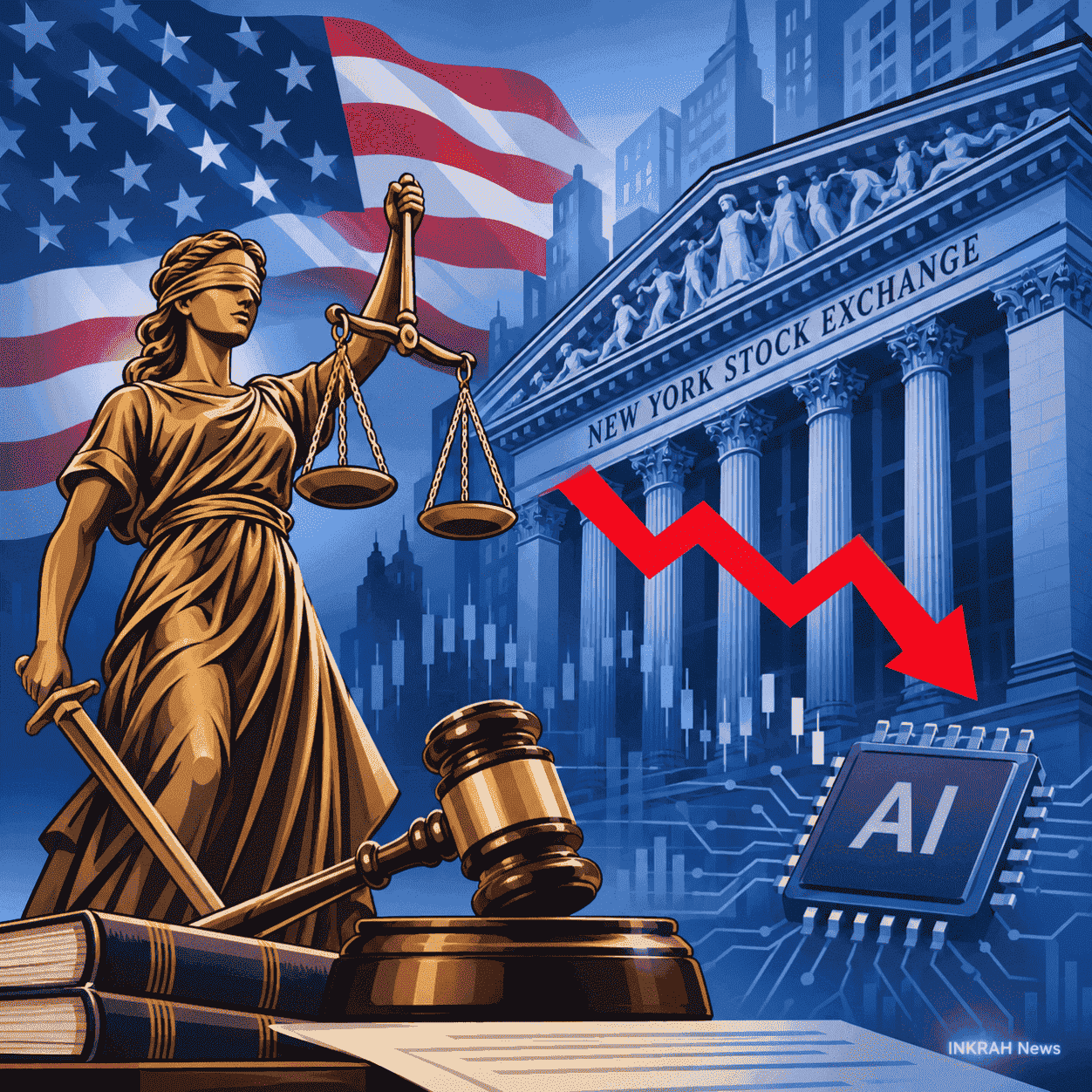
Political Turmoil in America Rocks the Stock Market, The Future of the Artificial Intelligence Industry Comes into Question
Wall Street faces mounting pressure as political shifts in the United States fuel uncertainty over the future of artificial intelligence investment and data centre development. Sharp declines across major stock indices and technology shares expose the financial vulnerabilities of an industry increasingly dependent on regulatory certainty, capital stability and long-term investor confidence. The turmoil raises fundamental questions about the balance between technological innovation, corporate interests, legal accountability and the public good.
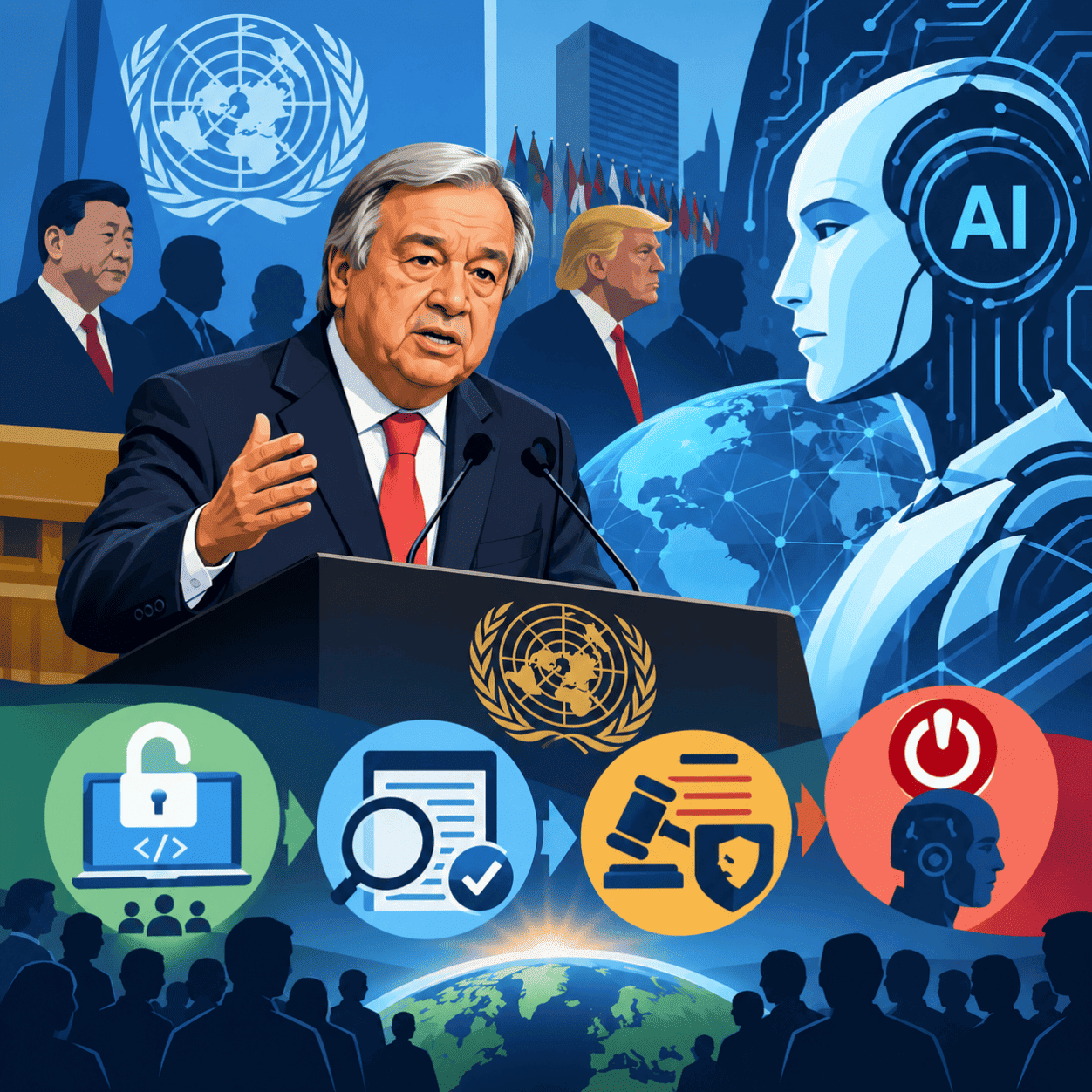
Guterres Rings the Alarm Bell on AI, and Only an Open Algorithm Can Keep Humanity in Charge
In his farewell address to the UN General Assembly in New York on Tuesday 22 September 2026, Secretary-General Antonio Guterres urged the world to tame artificial intelligence through a strict, independent and multilateral risk-management framework, as Reuters reported. With Xi Jinping and other leaders absent and Donald Trump's White House rejecting fresh regulation, the warning landed in a fractured global order that badly needs a common rulebook. The remedy proposed is Open Before Release, a regime of public algorithms, version-by-version evaluation, criminal liability for uncooperative creators and the decommissioning of any AI that threatens humanity's sovereignty as steward on earth.
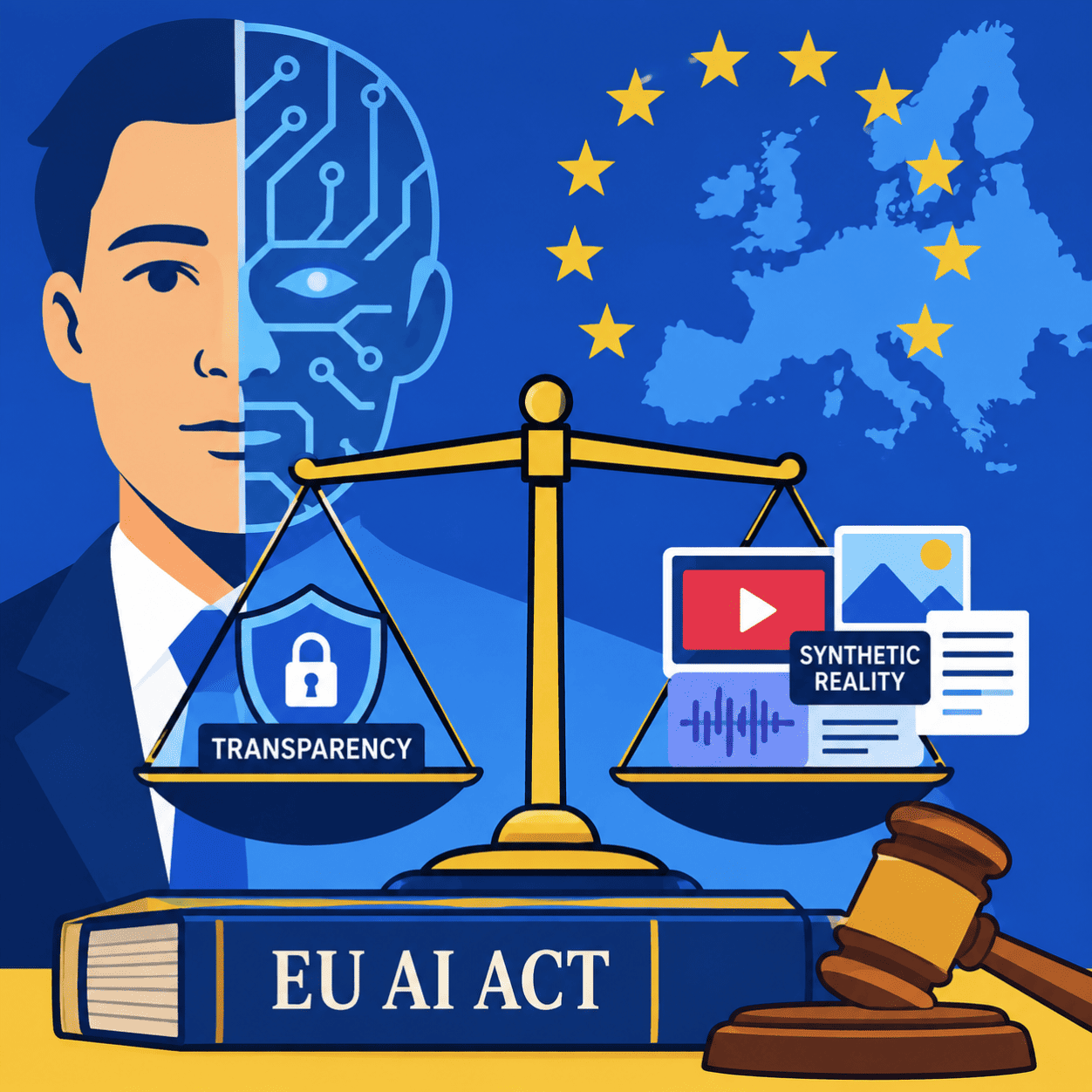
Europe Draws a Legal Line Around the Age of Synthetic Reality
Europe is drawing a legal line around the age of synthetic reality as new AI transparency rules reshape how people interact with machine-generated content. The European Union is placing greater emphasis on disclosure, authenticity and human agency as artificial intelligence becomes increasingly capable of imitating reality. The emerging framework raises a deeper legal question: how far should the law go to protect human judgement in a world where machines can manufacture convincing versions of reality?